Toronto Winter: Your Complete Guide to Winter in Canada’s Largest City

Winter in Toronto transforms Canada’s largest city into something completely different. From November through March, the city experiences cold temperatures, snow, and a different energy than the warm summer months. But Toronto winter isn’t something to avoid – it’s a season worth experiencing if you know what to expect and how to prepare.
I’ve lived through multiple Toronto winters, and I can tell you that the city doesn’t shut down when temperatures drop. Instead, Toronto embraces winter with festivals, outdoor activities, cozy indoor experiences, and a resilience that makes winter life surprisingly enjoyable. Whether you’re visiting Toronto in winter or preparing for your first winter here, this guide covers everything you need to know.
Related: Check out my complete Toronto Travel Guide for year-round tips and Ontario Winter Guide for exploring beyond the city.
What Toronto Winter is Actually Like
Toronto winter is cold, but it’s not the Arctic. Temperatures typically range from -10°C to 0°C (14°F to 32°F), though it can get colder during cold snaps and milder during warm spells. Snow is common but inconsistent — some winters bring heavy snowfall, others are relatively mild.
If you’re coming from warmer climates, Toronto winter will feel genuinely cold. The wind chill especially can make it feel much colder than the actual temperature. I remember my first Toronto winter feeling shocked by how the wind cut through my inadequate jacket as I walked from the subway to my apartment. That winter taught me quickly that proper gear isn’t optional.
At the same time, if you’re imagining Arctic conditions, Toronto is milder than you think. It has one of the gentler winters among major Canadian cities, significantly warmer than Winnipeg, Edmonton, or Ottawa. Vancouver is milder, but Toronto winter is far from extreme by Canadian standards. The city sits on Lake Ontario, which moderates temperatures somewhat. This means Toronto rarely experiences the extreme cold of inland Canadian cities, though the lake effect can also bring heavy snow and moisture.
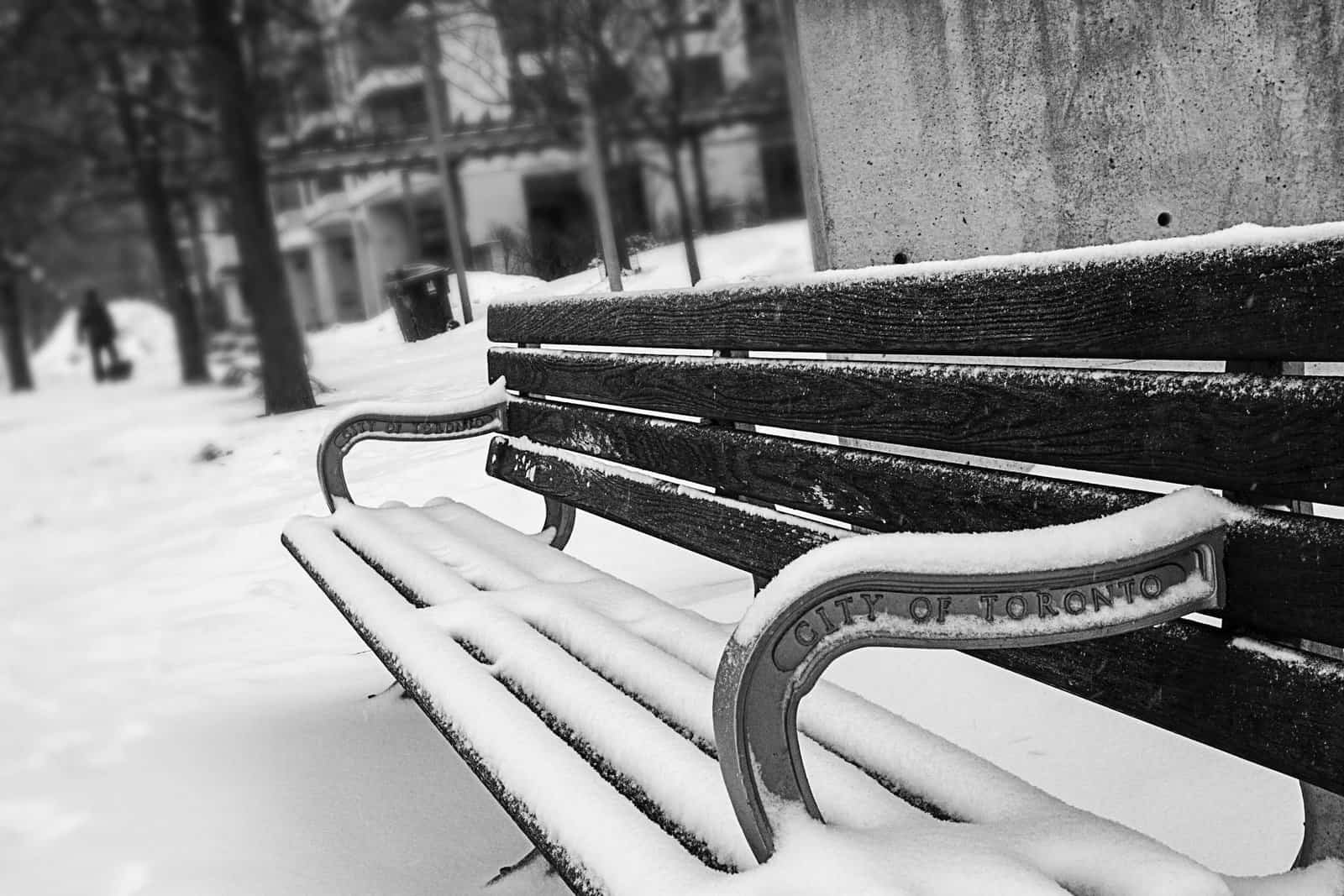
Snow in Toronto is unpredictable. Some winters dump snow regularly, blanketing the city in white for weeks. Other winters are surprisingly bare, with more rain than snow and only occasional dustings. The city is well-prepared for snow regardless, so life continues even during significant snowstorms. Plows clear major roads quickly, transit keeps running, and people go about their business with only minor delays.
What strikes me most about Toronto winter is that the city keeps going. Unlike some cities that essentially shut down in winter, Toronto operates year-round. Businesses stay open, public transit runs reliably, events continue happening, and people don’t hibernate. Winter is a season here, not a shutdown. The combination of urban density and winter weather creates a unique atmosphere – bustling city life against a backdrop of snow and cold. There’s something energizing about it once you adjust.
Toronto buildings are designed for winter, which makes a huge difference. Heating is excellent, buildings are well-insulated, and there’s an extensive underground PATH system that connects downtown buildings so you can walk indoors for blocks without ever going outside. This infrastructure means that while it’s cold outside, you’re never far from warmth.
Toronto Winter Weather by Month
Understanding what to expect each month helps you plan better and pack appropriately.
November marks the transition into winter. The average temperature ranges from 3°C to 8°C (37°F to 46°F), which feels cool and grey rather than properly cold. You’ll see occasional snow flurries but rarely accumulation that sticks around. Days get noticeably shorter, and this is when Toronto starts feeling like winter is approaching. The city hasn’t fully embraced winter mode yet, but you can feel it coming. A medium-weight jacket with layers underneath works fine for November, though you’ll want a light scarf and gloves for colder days. Late November brings the start of holiday markets and the city begins decorating for Christmas, which adds a festive atmosphere that makes the cooling temperatures feel less bleak.
December brings proper winter. The average temperature drops to -3°C to 2°C (27°F to 36°F), and snow becomes more likely and starts accumulating. It’s cold but manageable if you’re dressed properly. The festive atmosphere really kicks in as the city lights up for holidays. This is when you need a real winter coat along with a hat, gloves, and warm boots. Despite the cold, December in Toronto is beautiful. The holiday season is in full swing with Christmas markets throughout the city, the Cavalcade of Lights at Nathan Phillips Square, outdoor skating rinks opening, and holiday shopping transforming normally busy streets into something magical. There’s an energy in December that makes the cold feel worth it.
January is the coldest month and often the most challenging mentally. Average temperatures range from -7°C to -1°C (19°F to 30°F), with the most snow accumulation of any month. The city can experience extreme cold snaps where temperatures plummet to -20°C (-4°F) or lower with wind chill, though these typically don’t last more than a few days. The days are still short, though they’re gradually getting longer. When it’s sunny and snowy, January can be bright and beautiful. When it’s grey and frigid, it can feel endless. This is when you need your full winter arsenal: heavy winter coat, insulated boots, warm hat, gloves or mittens, scarf, and thermal underwear for very cold days. January brings winter festivals, ice skating at its peak, and plenty of indoor events. It’s also the quieter tourism season, which means fewer crowds at major attractions and museums. Post-holiday sales happen throughout the month, and while the festive energy of December has passed, there’s a settled-in winter rhythm that has its own appeal.
February continues the cold with average temperatures from -6°C to 0°C (21°F to 32°F). It’s still winter in every sense, though days are noticeably longer than January, which helps with mood. Snow continues falling, and the city can have surprise warm spells that briefly feel like spring, or brutal cold snaps that remind you winter isn’t over. You need the same full winter gear as January. February brings Winterlicious, Toronto’s beloved restaurant festival featuring special prix fixe menus at over 200 restaurants citywide. This is when you can try expensive restaurants at more reasonable prices, making cold February nights perfect for cozy dining. Valentine’s Day events happen throughout the city, and Family Day (a provincial holiday) in mid-February gives everyone a long weekend to enjoy winter activities or escape somewhere warm.
March is the transition month when winter is technically still here but spring starts teasing occasionally. Average temperatures range from -2°C to 5°C (28°F to 41°F), which sounds mild but can feel deceptive. March is messy. Snow still falls but melts more quickly, creating slush and puddles everywhere. Some days feel genuinely springlike with sunshine and warmth; others feel brutally wintry with freezing rain or unexpected snowstorms. You still need your winter coat, though you can get away with lighter layers underneath. Waterproof boots become essential for navigating the slush. March brings St. Patrick’s Day parades, spring anticipation building throughout the city, and some patios beginning to open on particularly warm days. By late March, winter is clearly winding down even if it hasn’t technically ended. Early April can still bring cold weather, but by mid-April winter is generally over, though surprises occasionally happen.
What to Wear in Toronto Winter
Proper clothing makes all the difference between miserable and enjoyable Toronto winter experiences. I learned this the hard way during my first winter when I tried to get by with a fall jacket and fashion boots. I was cold constantly, miserable walking anywhere, and spent most of my time rushing from building to building trying to minimize outdoor exposure. Once I invested in proper winter gear, everything changed. Suddenly winter walks were pleasant. Waiting for transit was tolerable. I could actually enjoy outdoor activities instead of dreading them.
Your winter coat is the most important piece. You need something insulated and waterproof that covers your hips at minimum. Down or synthetic insulation both work well. A hood is helpful for windy or snowy days when you want extra coverage. This isn’t the item to cheap out on if you’re spending a Toronto winter here. Budget options run $150 to $300, mid-range coats cost $300 to $600, and quality options (Canada Goose, Arc’teryx) go $600 and up.
You’ll see lots of Canada Goose coats around Toronto – they’re expensive but genuinely warm and last for years. Check current Canada Goose prices on Amazon | North Face winter coats | Columbia jackets for cold weather | Patagonia winter gear
The key is making sure it’s actually rated for cold temperatures and not just a fashion piece that looks like a winter coat.
Winter boots are equally crucial. They need to be waterproof and insulated, with good traction for ice and snow. They should be rated warm to at least -20°C (-4°F). This is not the time for fashionable sneakers or regular shoes. You need actual winter boots. I see tourists and new residents struggling in inadequate footwear all the time, slipping on ice, getting wet feet, shivering while waiting for transit. Proper boots change everything.
Sorel winter boots on Amazon | Blundstone thermal boots | Timberland winter collection | Columbia snow boots
Yes, they’re clunky. Yes, they’re not stylish. But your feet stay warm and dry, and you don’t slip on ice, which matters infinitely more than looking fashionable.
You lose significant body heat through your head, which makes a good hat essential. It needs to cover your ears completely and be made of wool, fleece, or synthetic material that actually insulates. This isn’t a fashion statement – it’s functional warmth. The same goes for gloves or mittens. Mittens are warmer because your fingers share heat, while gloves are more functional for things like using your phone or holding transit cards. A waterproof exterior helps since you’ll be touching snowy surfaces. I recommend buying extras because you will lose one eventually. Somehow gloves and mittens have a way of disappearing.
A scarf serves multiple purposes beyond looking nice. It covers your neck, which is another area where you lose heat, and you can pull it up over your face on very cold or windy days. Wool or fleece scarves work well, and you want something long enough to wrap fully around your neck. On those bitter January days when the wind chill makes it feel like -25°C, being able to cover most of your face makes walking outside actually bearable.
For particularly cold days, base layers make a huge difference. Thermal underwear — both long johns and long-sleeve tops – creates an extra layer of insulation that traps warm air against your body. Merino wool is excellent for this but pricier; synthetic options from Uniqlo (Heattech line) or other brands work well too. The difference this makes on -15°C (5°F) or colder days is significant. You go from cold and uncomfortable to actually warm.
Merino wool base layers on Amazon | Uniqlo Heattech thermal wear | Smartwool long underwear | Minus33 merino wool base layers
The layering strategy that works best is starting with a base layer (thermal or moisture-wicking), adding a mid-layer (sweater or fleece), and finishing with your outer layer (winter coat). For bottoms, regular jeans or pants are usually fine, with thermal underwear underneath when it’s extremely cold. This system lets you adjust based on temperature and whether you’re outdoors or in overheated buildings.
Torontonians dress practically in winter. Function trumps fashion. You’ll see lots of puffy coats, practical boots, and lots of black and dark colors. People wear what works, not what looks Instagram-ready. Nobody is judging your fashion choices in January when it’s -15°C outside. Everyone just wants to be warm.
When packing for Toronto winter, your essentials are a heavy winter coat, winter boots that are waterproof and insulated, a warm hat that covers your ears, gloves or mittens, a scarf, and warm socks made of wool or thermal material. You should also bring thermal base layers, sweaters or fleece for layering, lip balm (the dry winter air is brutal on lips), hand lotion, and sunglasses (sun reflecting off snow is surprisingly bright). Hand warmers, thick tights or leggings for layering, and waterproof pants for very snowy days are nice additions but not essential unless you’re planning significant outdoor time.
Essential winter accessories: Winter gloves and mittens | Wool winter socks | Hand warmers (bulk pack) | Winter scarves | Lip balm for winter
Related: See my complete Winter Packing Guide for Canada for a detailed checklist.
Things to Do in Toronto Winter
Toronto winter offers both outdoor winter activities and countless indoor options. The city doesn’t slow down — it adapts. I’ve found that the key to enjoying Toronto winter is having a mix of outdoor activities to embrace the season and indoor options for when it’s too cold or you just need to warm up.
Related: Check out my detailed guide to Things to Do in Toronto in Winter and Toronto Winter Activities for even more ideas.
Ice Skating Rinks
Ice skating is quintessentially Toronto winter. Here are the best rinks:
Nathan Phillips Square (Most Iconic)
- Location: In front of City Hall, downtown
- Cost: Free admission, skate rentals $15
- Best for: Photos with Toronto sign, classic Toronto experience
- Vibe: Busy on weekends, beautiful at night with lights
- When to go: Weekday evenings for smaller crowds
Harbourfront Centre (Best Views)
- Location: Lakefront near Queens Quay
- Cost: Free admission, skate rentals available
- Best for: Lake views, less crowded than Nathan Phillips
- Vibe: Larger rink, DJ nights, special events
- When to go: Anytime, generally less busy
The Bentway (Most Unique)
- Location: Under the Gardiner Expressway
- Cost: Free admission
- Best for: Unique urban experience, 220-meter skating trail
- Vibe: Different from traditional rinks, interesting space
- When to go: Evenings for atmosphere
Other Notable Rinks:
- College Park (downtown, convenient)
- Mel Lastman Square (North York)
- Evergreen Brick Works (scenic, nature setting)
- Neighborhood outdoor rinks throughout the city
Prefer your own skates? Ice skates on Amazon | Figure skates | Hockey skates | Skate blade guards
Related: Read my complete guide to Ice Skating in Toronto for all rink locations, hours, and tips.
Winter Festivals & Events
Toronto Christmas Market (November – December)
- Location: Distillery District
- What: European-style holiday market with crafts, food, mulled wine
- Cost: Free to enter, purchases vary
- Best time: Weekday evenings to avoid weekend crowds
- Vibe: Beautiful historic buildings decorated, festive atmosphere
- Don’t miss: Mulled wine, artisan crafts, photo opportunities
Cavalcade of Lights (Late November)
- Location: Nathan Phillips Square
- What: Official Christmas tree lighting ceremony
- Cost: Free
- Includes: Fireworks, skating, performances, holiday kickoff
- When: One night in late November (check city website for date)
Winterlicious (Late January – February)
- What: Restaurant festival with prix fixe menus at 200+ restaurants
- Cost: Varies by restaurant ($25-65 per person typically)
- Why go: Try expensive restaurants at reduced prices
- Booking: Essential – reservations open early and fill fast
- Best for: Trying upscale dining without breaking budget
Icefest (February)
- Location: Downtown Toronto
- What: Ice sculpture displays and winter activities
- Cost: Free to view sculptures
- Best for: Family-friendly winter celebration
- Vibe: Adds visual interest to cold February days
Canada Blooms (March)
- Location: Metro Toronto Convention Centre
- What: Flower and garden festival
- Cost: Tickets required ($20-30)
- Why go: Escape winter inside with spring displays
- Best for: Garden lovers, mental health boost by March
Related: Check my guide to Best Toronto Restaurants for Winterlicious with reservation tips and top picks.
Museums & Indoor Attractions
When it’s too cold or you want something engaging indoors, Toronto’s museums are world-class.
Royal Ontario Museum (ROM)
- What: Natural history, world cultures, art collections
- Cost: $23 adults (check for free days)
- Time needed: 2-4 hours
- Best for: Dinosaurs, ancient civilizations, Canadian history
- Winter bonus: Less crowded than summer, special exhibitions
Art Gallery of Ontario (AGO)
- What: Extensive Canadian and international art
- Cost: $25 adults, FREE Wednesday evenings 6-9pm
- Time needed: 2-3 hours
- Best for: Art lovers, free evening activity
- Winter bonus: Beautiful building, warm café
Ripley’s Aquarium
- What: Underwater tunnel, marine life exhibits
- Cost: $44 adults (book online for discount)
- Time needed: 2-3 hours
- Best for: Families, rainy/snowy day activity
- Winter bonus: Warm, meditative, visually engaging
Casa Loma
- What: Castle with views of Toronto
- Cost: $35 adults
- Time needed: 2-3 hours
- Best for: Architecture lovers, castle experience
- Winter note: Can be cold inside, dress in layers
Ontario Science Centre
- What: Interactive science exhibits
- Cost: $26 adults
- Time needed: 3-5 hours
- Best for: Families, hands-on learning
- Access: TTC accessible
Skip the ticket line: ROM tickets on GetYourGuide | AGO admission | Ripley’s Aquarium tickets | Casa Loma entry
Related: See my complete guide to Indoor Things to Do in Toronto for rainy and cold days.
The PATH Underground Network
The PATH is Toronto’s secret winter weapon – over 30 kilometers of underground walkways connecting downtown.
What You Can Access Underground:
- Union Station to CF Toronto Eaton Centre
- Financial District offices and food courts
- Shopping centers and restaurants
- Subway stations
- Office building lobbies
Why It Matters: You can walk for blocks completely indoors and heated, avoiding cold entirely.
Tips for Using PATH:
- Signage is confusing at first – download a PATH map
- Busiest during weekday work hours (7-9am, 11:30am-1:30pm, 4-6pm)
- Many sections close evenings and weekends
- Great for downtown workers, less useful for weekend tourists
- Best for: Connecting major downtown destinations in winter
Outdoor Winter Activities
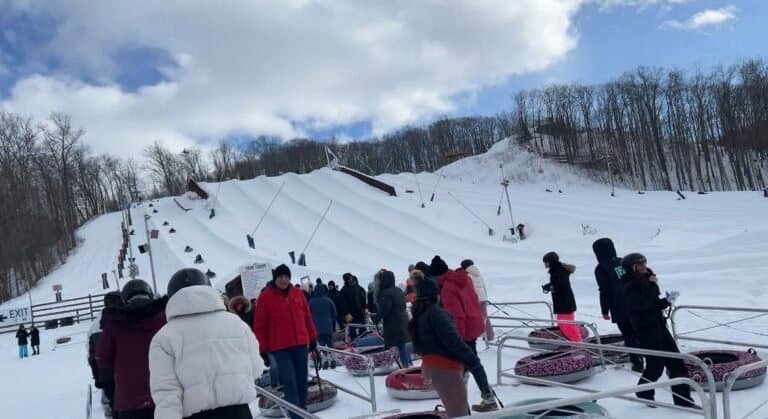
Skiing & Snowboarding Day Trips:
Toronto is within 1.5-2 hours of several ski resorts:
Blue Mountain (2 hours north)
- Largest ski resort in Ontario
- Best for: Day trips or overnight stays
- Facilities: Multiple runs, ski school, rentals, village atmosphere
- Cost: $90-120 for lift tickets
Mount St. Louis Moonstone (1.5 hours north)
- Good variety of runs
- Less crowded than Blue Mountain
- Cost: $70-90 for lift tickets
Horseshoe Resort (1.5 hours north)
- Family-friendly
- Good for beginners
- Cost: $60-80 for lift tickets
Book ski trips and equipment: Blue Mountain lift tickets | Ski equipment rentals | Ski lessons for beginners
Related: See my guide to Skiing Near Toronto for all resorts, comparison, and tips.
Snowshoeing Locations:
- High Park (easy trails, accessible)
- Rouge National Urban Park (more wilderness feel)
- Toronto Islands (when ferry accessible)
- Don Valley trails
- Rental options available at outdoor stores
Tobogganing Hills (Free!):
- Christie Pits (popular, good hills)
- High Park (family-friendly)
- Riverdale Park East (steep hills)
- Bring your own sled or toboggan
- Best for: Families, afternoon fun
Winter Hiking:
- Don Valley trails (accessible, quiet in winter)
- Evergreen Brick Works area (scenic)
- Beaches boardwalk (lakefront walk)
- Toronto Islands (ferry schedule changes in winter)
- High Park (beautiful when snow-covered)
Why winter hiking is great: Trails are empty, snow transforms landscapes, peaceful solitude you don’t get in summer.
Getting Around Toronto in Winter
The TTC (Toronto Transit Commission) runs year-round regardless of weather, which makes it your most reliable winter transportation option. The subway system is underground, heated, and unaffected by snow and cold. Streetcars sometimes slow down in heavy snow but generally remain reliable and are heated inside. Buses continue running, though some delays are possible in heavy snow. The TTC isn’t perfect, but it functions in winter when driving can be treacherous.
You need a Presto card (a reloadable transit card) or tickets and tokens. Day passes are available if you’re taking multiple trips. Single rides cost $3.35 with cash, slightly less with Presto. The system is straightforward once you understand the routes, and winter makes the normally-not-great TTC feel like a blessing when you step into a heated streetcar after waiting in the cold.
Walking in winter is slower and requires more attention. Sidewalks are generally cleared in high-traffic areas, but ice patches happen regularly. You need to walk carefully and give yourself extra time because winter walking takes longer than summer walking. Proper boots with traction become essential. I’ve slipped on ice enough times to have learned to walk more cautiously, take smaller steps on icy patches, and always assume that puddle might be solid ice underneath.
Downtown core, the PATH system, Yorkville, and the cleared waterfront paths are most walkable in winter. Residential side streets have more variable clearing quality, areas with construction can be treacherous, and very windy areas near the lake become unpleasant quickly. Sometimes it’s worth taking transit one stop rather than walking in bitter cold or on poorly-cleared sidewalks.
If you’re driving in winter, winter tires are recommended though not legally mandatory in Ontario. They make a significant difference in snow and ice. You should keep an ice scraper, small shovel, blanket, and emergency supplies in your car. Street parking becomes more difficult due to snow removal regulations and limited space created by snowbanks. Parking garages are easier in winter for this reason. The city is generally good at snow removal, with major roads cleared quickly and side streets taking longer. On significant snow days, it’s often easier to take transit than drive.
Uber, Lyft, and taxis operate year-round, but demand increases dramatically in bad weather. Prices surge during and after heavy snow. Pickup times can be longer. You’ll see surge pricing hit during snowstorms when everyone wants a ride and fewer drivers are out. It’s a backup option but not always reliable when you most need it.
Where to Eat in Toronto Winter
Winter is prime time for Toronto’s exceptional food scene. Cold weather makes warm, comforting food especially appealing, and the city has endless options for every type of cuisine and budget.
Ramen feels made for Toronto winter. Sliding into a ramen shop after walking in the cold and getting a steaming bowl of broth with noodles is one of winter’s simple pleasures. Sansotei Ramen, Kinton Ramen, and Ramen Isshin all have multiple locations and serve excellent ramen that warms you from the inside out. There’s often a wait at peak times because everyone has the same idea on cold days.
Similarly, pho becomes a winter staple. Pho Hung in Chinatown, Golden Turtle with multiple locations, and Pho Xe Lua all serve the Vietnamese soup that’s perfect for cold days. It’s warm, affordable, and delicious – exactly what you want when it’s -15°C outside.
Hot pot offers interactive group dining that’s perfect for winter. Little Sheep Mongolian Hot Pot and Morals Village let you cook ingredients in simmering broth at your table. The experience is warming, social, and extends meals into long, cozy affairs that make cold nights feel special.
Korean BBQ and Korean food in general shine in winter. Koreatown around Bloor and Christie has numerous options. Gal Bi Korean BBQ and Hanmoto offer warm, interactive dining where you cook meat at your table. Even just walking into these restaurants, you’re hit with warmth, good smells, and bustling energy that counteracts winter cold.
For special occasions or date nights, Toronto has excellent upscale dining. Alo offers tasting menus that require advance booking and a significant budget, but it’s consistently ranked as one of Canada’s best restaurants. Canoe serves Canadian cuisine with incredible city views from the 54th floor of the TD Bank Tower. Café Boulud at the Four Seasons and Scaramouche both offer upscale, romantic dining perfect for celebrating something special or just treating yourself in the middle of long winter.
Casual cozy restaurants feel especially appealing in winter. Bar Raval on Ossington serves Spanish small plates in a warm, beautifully designed space that always feels inviting. The Black Hoof on Dundas West offers small plates and a cozy atmosphere. Terroni has multiple locations serving Italian food in warm, bustling restaurants that feel lively even on quiet winter weeknights. Pai serves Thai food in a space that’s always warm and busy, with flavors that wake up your palate after trudging through snow.
Winterlicious deserves repeating because it’s such a highlight of Toronto winter. For about two weeks in late January and February, over 200 restaurants offer prix fixe lunch and dinner menus at reduced prices. Restaurants that normally feel too expensive become accessible. You can try high-end dining without breaking the budget. The catch is that reservations are essential and popular restaurants book out within hours of Winterlicious starting. You need to plan ahead, book as soon as reservations open, and be flexible with timing. But the opportunity to try Canoe, Scaramouche, Lee, or other normally-expensive restaurants at Winterlicious prices makes the planning worthwhile.
Food halls offer variety and vibrant atmosphere when you can’t decide what you want or you’re dining with a group with different tastes. Assembly Chef’s Hall in the Financial District, STACK Market downtown, and The Well in King West (a newer development) all have multiple food vendors, indoor seating, and energy that makes them feel festive even when it’s freezing outside.
Toronto Winter vs Other Canadian Cities
Toronto occupies an interesting middle ground among Canadian city winters. It’s cold enough to feel like genuine winter with snow, skiing, and winter activities, but it’s milder than many other major Canadian cities.
Compared to Vancouver, Toronto is significantly colder. Vancouver rarely sees temperatures below freezing and gets rain instead of snow. Vancouver winter feels grey and damp rather than crisp and cold. Toronto is colder but sunnier in winter, with clear cold days rather than constant drizzle. If you prefer rain to snow, Vancouver wins. If you prefer actual winter with sun and snow, Toronto offers that.
Montreal is colder and snowier than Toronto. Montreal gets more consistent snow and lower temperatures. The city embraces winter culturally in ways Toronto sometimes doesn’t – there’s more winter festival energy, people seem more adapted to serious cold, and the city just feels more winter-committed. Toronto is milder and more moderate in comparison.
Ottawa is significantly colder than Toronto despite being relatively close. Ottawa temperatures drop lower, snow accumulates more, and winter lasts longer. Ottawa’s Rideau Canal skating is iconic and represents winter culture in ways Toronto doesn’t quite match. But Toronto’s milder winter is easier for people not accustomed to serious cold.
Compared to Winnipeg or Edmonton, Toronto winter is gentle. Prairie cities experience -40°C temperatures that are unthinkable in Toronto. These cities have brutal winters where exposed skin freezes in minutes and going outside requires serious preparation. Toronto residents complaining about -15°C would be laughed at in Winnipeg. Toronto absolutely has the milder winter.
Calgary has similar winter length to Toronto but with chinooks (warm winds that periodically break up winter with surprisingly warm days). Calgary is also drier. Both cities have comparable winters overall, though Calgary’s dramatic temperature swings (from -20°C to +10°C within days due to chinooks) create different winter experiences than Toronto’s more gradual temperature changes.
The Toronto advantage is having one of the milder winters among major Canadian cities while still experiencing true winter. You get snow, cold, winter activities, and winter culture without the extreme temperatures of northern or prairie cities. Lake Ontario moderates temperatures. The city infrastructure handles winter well. It’s an accessible introduction to Canadian winter that doesn’t throw you into the deep end of -40°C prairie cold.
Toronto Winter Survival Tips
For visitors, dressing properly cannot be overstated. Invest in real winter gear even if you’re only here for a week. Being cold ruins every experience. You can’t enjoy skating, walking, sightseeing, or anything else if you’re shivering and miserable. Proper gear transforms winter from endurance test to enjoyable experience.
Plan for indoor time throughout your days. Don’t schedule full days outside in January. Mix outdoor activities (skating, walking, sightseeing) with indoor warm-ups (museums, cafés, shopping). This rhythm keeps you comfortable and prevents the exhaustion that comes from being cold for hours.
Give yourself extra time for everything. Walking takes longer in winter. Transit can have delays. Getting ready takes longer when you’re putting on layers and winter gear. What takes 20 minutes in summer might take 35 minutes in winter. Build buffer time into plans to avoid stress.
Embrace winter rather than fighting it. Skate, drink hot chocolate, enjoy the snow, visit winter festivals. Winter lasts months. Fighting it and counting down days until spring makes those months miserable. Finding things you enjoy about winter makes the season pass more pleasantly. I resisted this mindset my first winter and was unhappy. My second winter I decided to try enjoying it, and suddenly winter felt manageable.
Check weather daily. Conditions can change quickly. A surprise snowstorm can alter plans. An unexpected mild day might make that planned indoor museum day better spent outside. Staying informed helps you adapt.
Know where to warm up. The PATH system, shopping malls, cafés, libraries – always know where you can duck inside if you get too cold. This knowledge makes being outside feel less intimidating because you know warmth is always nearby.
Don’t underestimate wind chill. The actual temperature is one thing, but wind chill can make it feel dramatically colder. On very windy days, exposed skin can get frostbite quickly. Cover your face, don’t stay outside as long, respect that wind changes how cold feels.
For new residents settling in for winter, invest in quality winter gear because you’ll wear it for months. Good coat, good boots, proper accessories — these aren’t optional. You’re here long-term, not visiting for a weekend.
Build a winter kit for your home and car. Ice scraper, snow shovel, salt for your entrance, extra gloves, emergency blanket for your car. These things seem unnecessary until you need them desperately at 7am before work.
Find indoor hobbies because winter is long. Gym membership, library card, cafés you enjoy — indoor activities become important for mental health during long winter. You can’t just go for walks or sit on patios when it’s -20°C. Having things you enjoy indoors prevents cabin fever.
Get vitamin D supplements. Shorter days affect mood more than people expect. The sun sets at 5pm in December. You might go to work in the dark and come home in the dark. Vitamin D supplements help. Light therapy lamps are popular among Torontonians for this reason.
Combat winter blues: Vitamin D supplements on Amazon | Light therapy lamps | SAD therapy lights
Stay social. Winter isolation is real. It’s easy to hibernate alone because going out requires effort. But social connections matter for mental health. Make plans, meet friends, don’t cancel on people just because it’s cold outside. My mental health winter survival depends significantly on maintaining social connections even when leaving the house feels like too much effort.
Embrace winter activities instead of dreading cold. Go skating, try skiing, attend winter festivals, walk in snowy parks. If you embrace winter as a season with its own activities and beauty rather than something to endure until spring, it becomes more enjoyable. This mindset shift makes winter feel less oppressive.
Moisturize constantly. Winter air is extremely dry. Your skin, lips, and hands will get dry and cracked without lotion and lip balm. Keep these everywhere — coat pockets, bag, desk, car, bathroom. Apply them constantly. This seems minor but makes a real difference in comfort.
Winter skin essentials: Heavy-duty hand lotion | Winter lip balm variety pack | Face moisturizer for dry winter air | Humidifier for bedroom
Remember that your first winter is the hardest. Each subsequent winter gets easier as you learn what works for you, build routines, acquire proper gear, and adjust expectations. My first Toronto winter felt impossibly long and difficult. My third winter felt manageable. You adapt.
Frequently Asked Questions About Toronto Winter
How cold does Toronto winter actually get?
Average winter temperatures range from -10°C to 0°C (14°F to 32°F), with January being the coldest month. Extreme cold snaps can bring -20°C (-4°F) or colder with wind chill, but these don’t last long. Most days are manageable with proper clothing. It’s cold, genuinely cold if you’re from warmer climates, but not Arctic cold.
Does it snow a lot in Toronto?
Toronto gets an average of 133 centimeters (52 inches) of snow per winter, but this varies significantly year to year. Some winters are very snowy with regular snowfall; others are surprisingly mild with minimal accumulation. Snow typically doesn’t stick around for months — the city removes it fairly quickly, and temperature fluctuations cause melting and refreezing. You’ll see snow regularly throughout winter but not necessarily deep permanent snow cover.
Can I visit Toronto in winter?
Absolutely, and winter is actually a great time to visit if you’re prepared. Attractions are less crowded, hotel prices drop, you can experience winter festivals and activities, and the city is beautiful under snow. You just need to bring proper winter clothing and adjust expectations for cold weather. I’d actually recommend winter visits for people who want to experience Canadian winter culture without the extreme cold of more northern cities.
What should I pack for Toronto winter?
A heavy winter coat (insulated and waterproof), insulated waterproof winter boots, warm hat that covers your ears, gloves or mittens, scarf, and layers including sweaters and potentially thermal underwear. This isn’t optional lightweight packing – winter gear is bulky and necessary. You can’t substitute with what you have if you’re coming from warm climates. Invest in or rent proper gear.
Is Toronto safe in winter?
Yes, Toronto remains safe in winter. Crime doesn’t increase with cold weather. The main safety concerns are slipping on ice (wear boots with traction, walk carefully) and frostbite or hypothermia if you’re improperly dressed for extreme cold (wear proper clothing, limit outdoor time in extreme cold, know warning signs). Standard city safety applies. The city is generally safe year-round.
How do people actually survive Toronto winter?
Proper clothing makes the biggest difference, eliminating 80% of winter misery. Beyond that, it’s about indoor activities for long days, embracing winter rather than fighting it, staying active and social, maintaining connections, finding cozy spaces you enjoy (cafés, restaurants, friend’s homes), and knowing that winter doesn’t last forever. The PATH system helps downtown workers avoid some cold. Good heating in buildings helps. Having things to look forward to (Winterlicious, winter festivals, trips) helps. Honestly, you just adapt.
Is Toronto colder than New York City?
Slightly. Toronto winter is a bit colder than New York City winter on average. Toronto also typically gets more snow. But they’re relatively similar in terms of winter severity — both have real winters with cold and snow, neither is extreme by Canadian standards. If you can handle New York winter, Toronto won’t shock you.
When does winter start and end in Toronto?
Winter typically runs November through March, with proper consistent winter (regular cold and snow) being December through February. November is transitional and March can still be wintry. By April, winter is usually over, though surprises occasionally happen. The hardest months are January and February when cold feels relentless and spring feels far away.
What’s the worst month of Toronto winter?
January is coldest and often feels longest mentally. February can feel endless because you’re tired of winter but it’s not over yet. By March, even though it’s still cold, spring feels close which helps morale. January hits hardest because the holidays are over, it’s the coldest month, and you realize you have two more months of winter ahead. February is long because you’re exhausted by winter but haven’t reached the finish line yet.
Can you swim in Lake Ontario in winter?
Not recommended unless you’re participating in an organized polar bear plunge. Lake Ontario is cold year-round, but winter temperatures make it dangerous for casual swimming. Some brave souls do polar plunges as organized events (usually for charity), where you jump in briefly and immediately get out and warm up. But recreational swimming isn’t advisable. The water is frigid, and the risk of hypothermia is real. Save swimming for summer when the lake warms to actually swimmable temperatures.
My Final Thoughts: Embracing Toronto Winter
Toronto winter is what you make of it. Approached with dread and poor preparation, it’s miserable. Approached with proper clothing, realistic expectations, and willingness to find beauty and activities in the season, it’s genuinely enjoyable.
I’ve spent multiple winters in Toronto, and here’s what I’ve learned: winter is long, but it’s not unbearable. The city knows how to handle winter. Buildings are warm, transit runs, life continues. There’s something beautiful about a snowy day in the city, about skating at Nathan Phillips Square under lights, about warming up with ramen after a cold walk, about seeing the city transform under fresh snow.
The key is preparation and mindset. Dress properly – this eliminates most winter misery. I can’t stress this enough. The difference between being cold and being comfortable is almost entirely about having the right gear. Once you’re warm, suddenly winter walks become pleasant instead of torture. You can enjoy skating instead of shivering through it. You can wait for transit without counting down seconds until the streetcar arrives.
Find activities you enjoy. Maybe it’s skating, maybe it’s skiing on weekends, maybe it’s exploring museums, maybe it’s becoming a regular at a cozy café where you know the baristas. Winter is months long. You need things you look forward to, not just survival strategies. I look forward to Winterlicious every year. I look forward to skating with friends. I look forward to snowy walks in High Park when the trails are quiet and beautiful. These things make winter feel less like endurance and more like a season with its own character.
Don’t isolate yourself. This might be the most important survival tip. It’s easy to hibernate when going outside requires effort and you’re tired from months of cold. But social connections matter enormously for mental health during long winter. Make plans even when you don’t feel like it. Meet friends even when staying home sounds easier. Go to that dinner, that event, that gathering. Social connection gets you through winter more than any amount of proper gear.
Embrace the season instead of counting down days until spring. I resisted this mindset my first winter, spending December through March basically waiting for April and being miserable the entire time. My second winter I decided to try actually engaging with winter — skating, winter festivals, appreciating snow, finding winter activities I enjoyed. Suddenly winter felt manageable. It wasn’t something happening to me that I had to endure; it was a season I was participating in. That shift made all the difference.
If you’re visiting Toronto in winter, come prepared and come with an open mind. Bring real winter gear, not just heavier versions of your fall clothing. Plan for both outdoor experiences and plenty of indoor time. Give yourself permission to be flexible – if it’s a particularly brutal cold day, change plans and do something inside instead. Take advantage of winter-specific activities like skating and winter festivals that you can’t experience in summer.
If you’re new to Toronto and facing your first winter here, invest in good gear and give yourself grace. The first winter is genuinely the hardest. You don’t know what to expect, you don’t have routines established, you haven’t figured out what works for you yet. It’s okay if winter feels overwhelming at first. Each subsequent winter gets easier as you learn and adapt. My first Toronto winter felt impossibly long and difficult. By my third winter, I’d figured out my rhythm — the cafés I liked, the winter activities I enjoyed, the gear that kept me comfortable, the routines that maintained my mental health. You’ll get there too.
If you’re a Toronto winter veteran, you already know that while winter is long, it’s also a season with its own rhythm, beauty, and charm. You know the satisfaction of a perfect winter day when the sun is bright and the snow is fresh and the city looks beautiful. You know the pleasure of coming inside to warmth after being out in the cold. You know that cozy feeling of a good restaurant on a February night when everyone’s escaping cold for a few hours of good food and conversation.
Winter doesn’t last forever. Spring always comes. But while winter is here, you might as well make the most of it. Find the beauty in snow-covered parks. Enjoy the activities that only exist in winter. Appreciate that Toronto keeps its energy and vibrancy even in the coldest months. Embrace the season for what it offers rather than resenting it for not being summer.
Toronto winter has taught me that cold is manageable with proper preparation, that seasons have value beyond just being warm, and that embracing what you can’t change makes life better than fighting it. These lessons extend beyond winter, but winter teaches them particularly well.
So bundle up, find your winter rhythm, and give Toronto winter a chance. You might be surprised by how much you actually enjoy it.
Related Toronto Winter Resources
- Things to Do in Toronto Winter – Comprehensive activity guide
- Things to Do in Toronto in Winter – Seasonal experiences
- Toronto Winter Activities for Families – Kid-friendly options
- Best Toronto Restaurants for Winter Dining – Cozy spots
- Toronto Christmas Market Complete Guide – Holiday market tips
- Indoor Things to Do in Toronto – Rainy day activities
- Ice Skating in Toronto – All rinks and details
- Skiing Near Toronto – Day trips and resorts
- Complete Toronto Travel Guide – Year-round guide
- Ontario Winter Travel Guide – Beyond Toronto
- Canada Winter Guide – National winter travel
Have questions about Toronto winter? Leave a comment below and I’ll help you prepare for winter in Canada’s largest city.
Planning a Toronto winter visit or move? Pin this guide for later and subscribe to my newsletter for more Toronto and Ontario travel tips.